New Year’s Day, Epiphany (Jan 6), or Candlemas (Feb 2)? Learn the tradition behind each option, plus practical signs it’s time, disposal and storage tips, an...
The Festive Dwell
When to Put Up Christmas Decorations
Most households start Christmas decorating the long weekend after Thanksgiving or on the first Sunday of Advent. Here’s where each tradition comes from, plus how to choose your best start date, tree timing tips, and what to decorate first.

Clara Jenkins
Clara Jenkins is a former visual merchandiser and lifelong holiday enthusiast who believes every season is worth celebrating. She helps readers transform their everyday spaces into magical, welcoming homes through budget-friendly DIYs, elegant tablescapes, and clever styling tricks. When she isn't untangling fairy lights or hot-gluing autumn wreaths, Clara can be found hunting for vintage ornaments at local flea markets.
Published November 13, 2026
If you’ve ever stood in front of the closet with a tangled bundle of lights in one hand and a mug of something warm in the other, wondering is it too early?, you’re in very good company. In my house growing up, my mom treated the calendar like a glittery suggestion, and I learned early that the “right” time to decorate is the time that makes your home feel like home.
That said, there are two classic, widely followed answers when it comes to when to put up Christmas decorations. Let’s start there, then I’ll help you pick your personal best date and walk you through a simple, stress-reducing order for decorating your rooms.
The two most common start dates
1) The long weekend after Thanksgiving
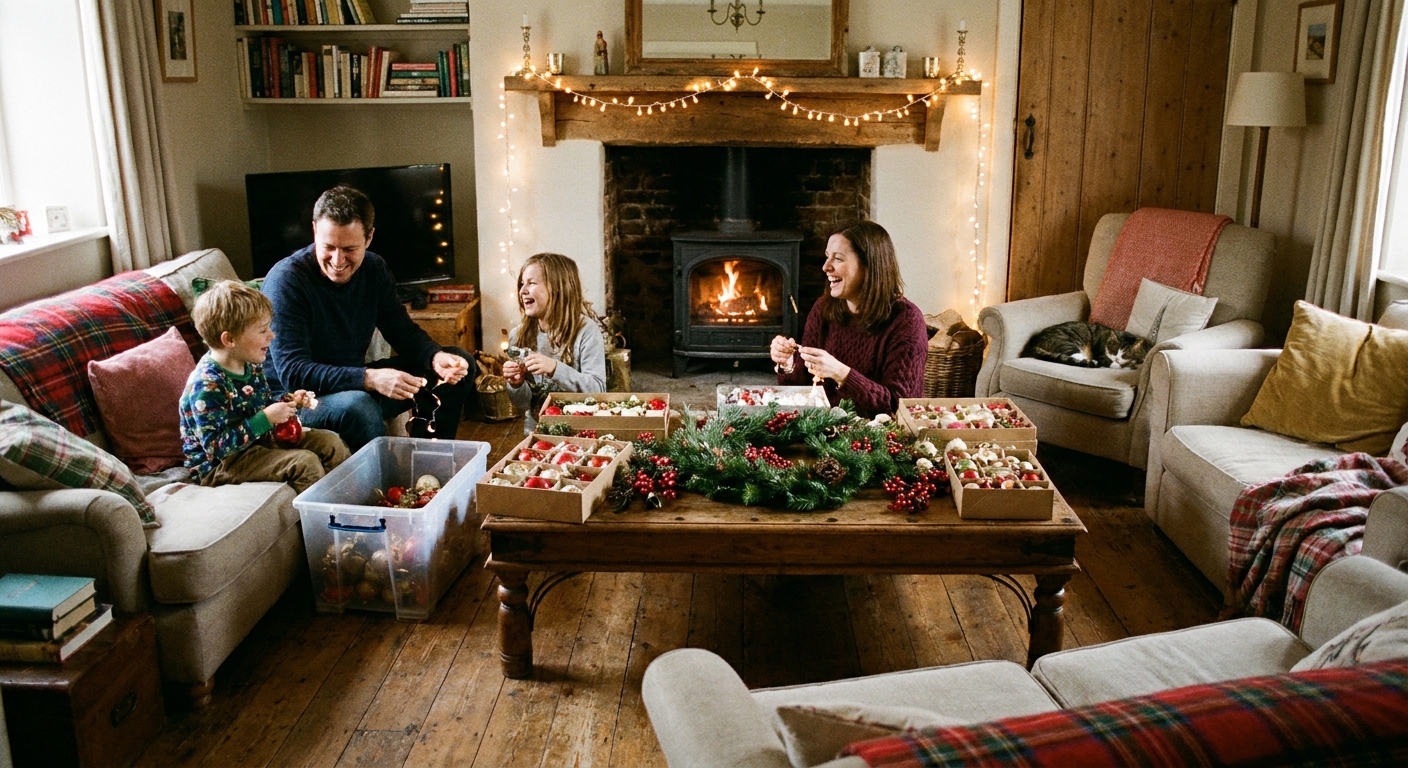
This is the modern U.S. classic, and for good reason. Thanksgiving dinner is done, guests are heading home, and suddenly the house feels… bare. The days right after Thanksgiving are a decorating sweet spot because it’s a natural transition: fall gatherings wrap up, winter hosting begins, and many people have extra time off to tackle the big job.
Where the tradition comes from: Over the 1900s, retail and public holiday displays helped popularize the idea of Christmas “starting” soon after Thanksgiving. Add in a convenient long weekend, and “decorate right after Thanksgiving” became a household ritual.
2) The first Sunday of Advent
If you love a more traditional, church-calendar approach, the first Sunday of Advent is a beautiful start date. Advent includes four Sundays and begins somewhere between November 27 and December 3, depending on the year. For many households, Advent decorating feels intentional and paced, especially if you like bringing things out gradually.
Where the tradition comes from: Advent is a liturgical season observed by many Western Christian denominations, historically focused on preparation and anticipation. In many cultures, decorations and greenery were timed around Advent, with wreaths, candles, and seasonal greens appearing first and fuller Christmas decor building toward Christmas.
So which date is “right”?
Here’s my visual merchandiser answer: the right start date is the one that fits your time, energy, and lifestyle. If you want a simple rule, choose one of these:
- If you want maximum cozy time: start the long weekend after Thanksgiving.
- If you want a traditional, measured build: start on the first Sunday of Advent.
And if you’re still waffling, ask yourself one question: Do you want decorating to feel like a weekend project or a seasonal ritual? Thanksgiving weekend favors the project. Advent favors the ritual.
Good reasons to start earlier
I’m not here to be the decoration police. If earlier makes your life easier or happier, it’s valid. Here are practical reasons you might start before Thanksgiving weekend or Advent:
- Your schedule gets packed fast: travel, kids’ activities, or hosting means you need a head start.
- You’re decorating in phases: outside lights one weekend, tree and mantel the next, tablescape later.
- You live somewhere very dark by late afternoon: early twinkle lights can feel like a mood-lifter.
- You’re hosting soon: houseguests, a holiday party, or a work get-together calls for earlier sparkle.
- You’re keeping it simple this year: a calmer, earlier setup can feel less rushed and more joyful.
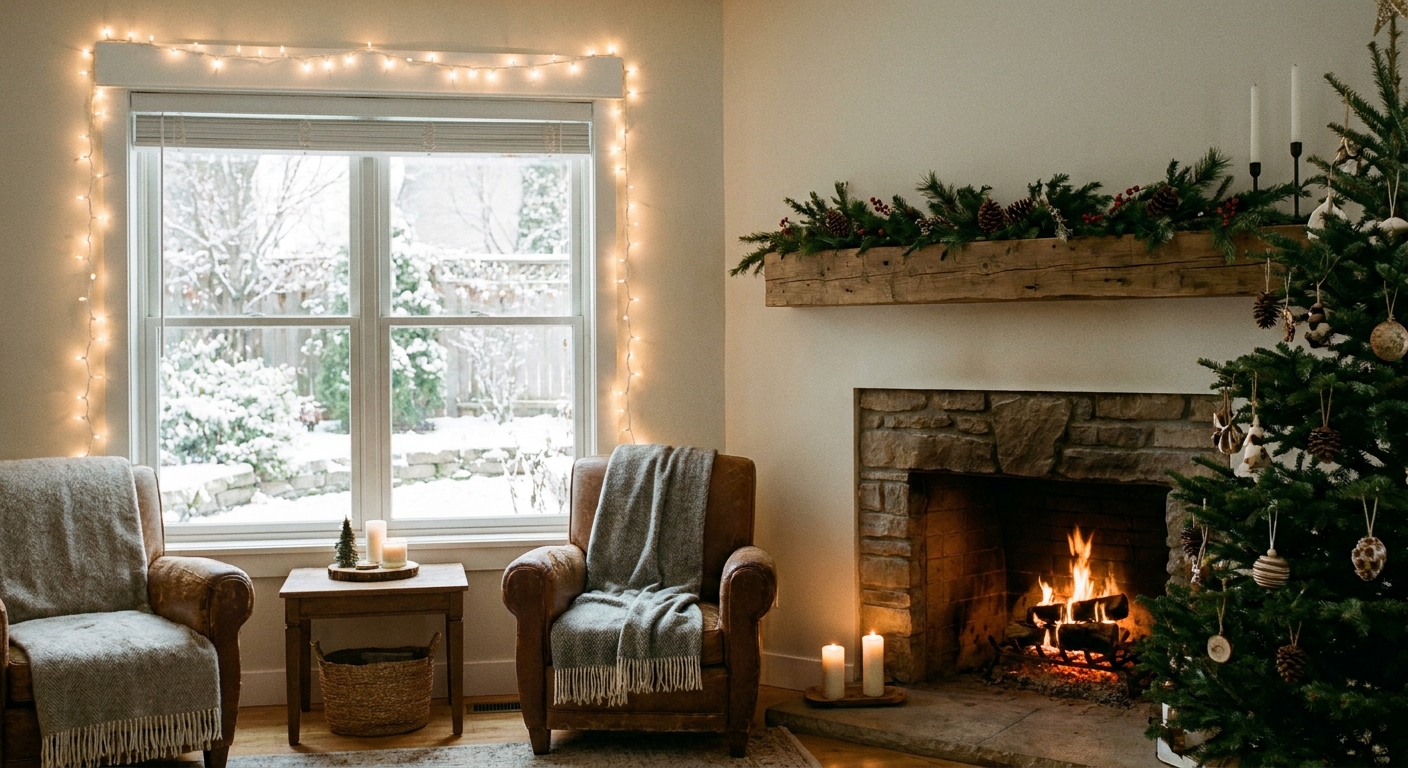
My favorite “start early without going full Christmas” compromise: bring in winter greens first. Think wreath, garland, pinecones, and a bowl of citrus. It reads seasonal, not Santa.
Good reasons to start later
Some households prefer to wait, and honestly, it can make Christmas feel extra special when it arrives. These are solid reasons to hold off:
- You want a clean break after fall: you love savoring Thanksgiving weekend without multitasking.
- You travel right after Thanksgiving: no one wants to come home to sagging garland after a long trip.
- Your home feels cluttered easily: waiting can make decorating feel fresh instead of overwhelming.
- You’re a minimalist decorator: one focused day in early December is plenty.
- You love the anticipation: putting things up closer to the holiday can make it feel more meaningful.
Real tree vs artificial tree timing
If your start date revolves around the tree, here’s the practical difference.
- Artificial tree: decorate whenever you want. There’s no freshness clock, so early decorating is mostly about your preferences and storage stamina.
- Fresh-cut tree: earlier is doable, but you’ll get the best results if you keep it watered and avoid placing it near heat vents or fireplaces. Many families aim for early to mid-December so the tree still looks good through Christmas, but if you love an early tree moment, choose the freshest tree you can and be diligent with water from day one.
A simple decorating order
If decorating tends to snowball into chaos, this is the tidy order I used in retail displays and still use at home. It keeps the most visible areas feeling “done” quickly, so you get that instant holiday glow even if you decorate over multiple days.
1) Front door and entry
Start with the first impression. A wreath, a doormat swap, and a little lantern or basket of greens by the door goes a long way.
2) Living room focal point
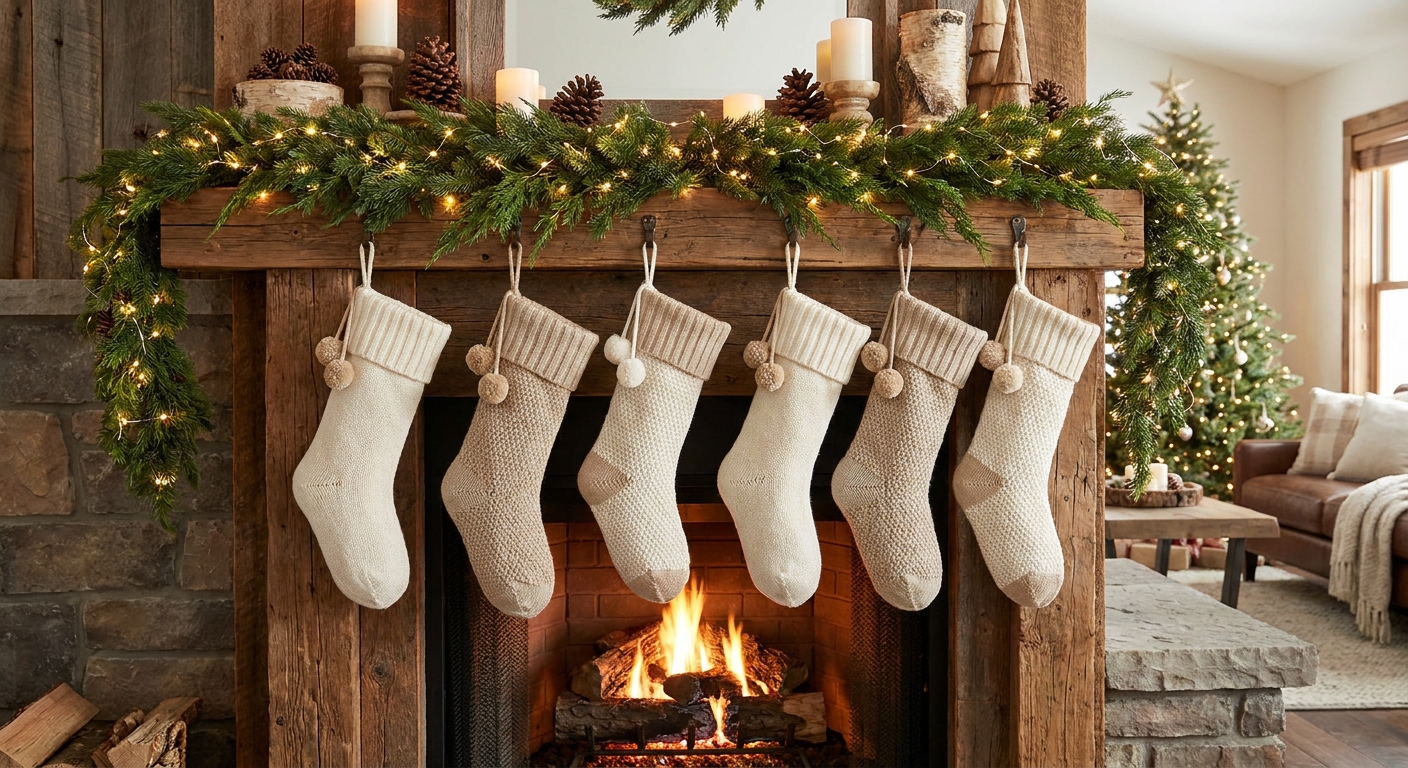
Pick one: the tree, the mantel, or the main shelf. Do the biggest visual anchor first so the room feels festive immediately.
3) Dining table or kitchen island
This is where daily life happens. A centerpiece, a bowl of ornaments, or a small vase of winter stems makes your home feel celebratory without adding clutter.
4) Staircase or hallway
Garland and a few bows or bells create that “movie moment” without requiring much storage or fuss.
5) Bathrooms and bedrooms
These are the finishing touches. A hand towel swap, a tiny wreath on a mirror, or a soft throw at the foot of the bed is enough.
6) Outdoor lights
If your climate is icy or unpredictable, do outdoor lights whenever it’s safest and most comfortable. Otherwise, saving them for later works well because you’ll already know your color palette and vibe.
Quick tips to make it feel easy
- Choose your “headline” color palette before opening a single bin. Even just “warm metals and deep green” will keep things cohesive.
- Do lights before decor. Lighting sets the mood and makes everything else feel intentional.
- Set a stopping point. One room fully finished beats five rooms half-done.
- Use a timer. Ninety minutes of focused decorating feels surprisingly productive, especially if you’re doing it in phases.
When to take decorations down
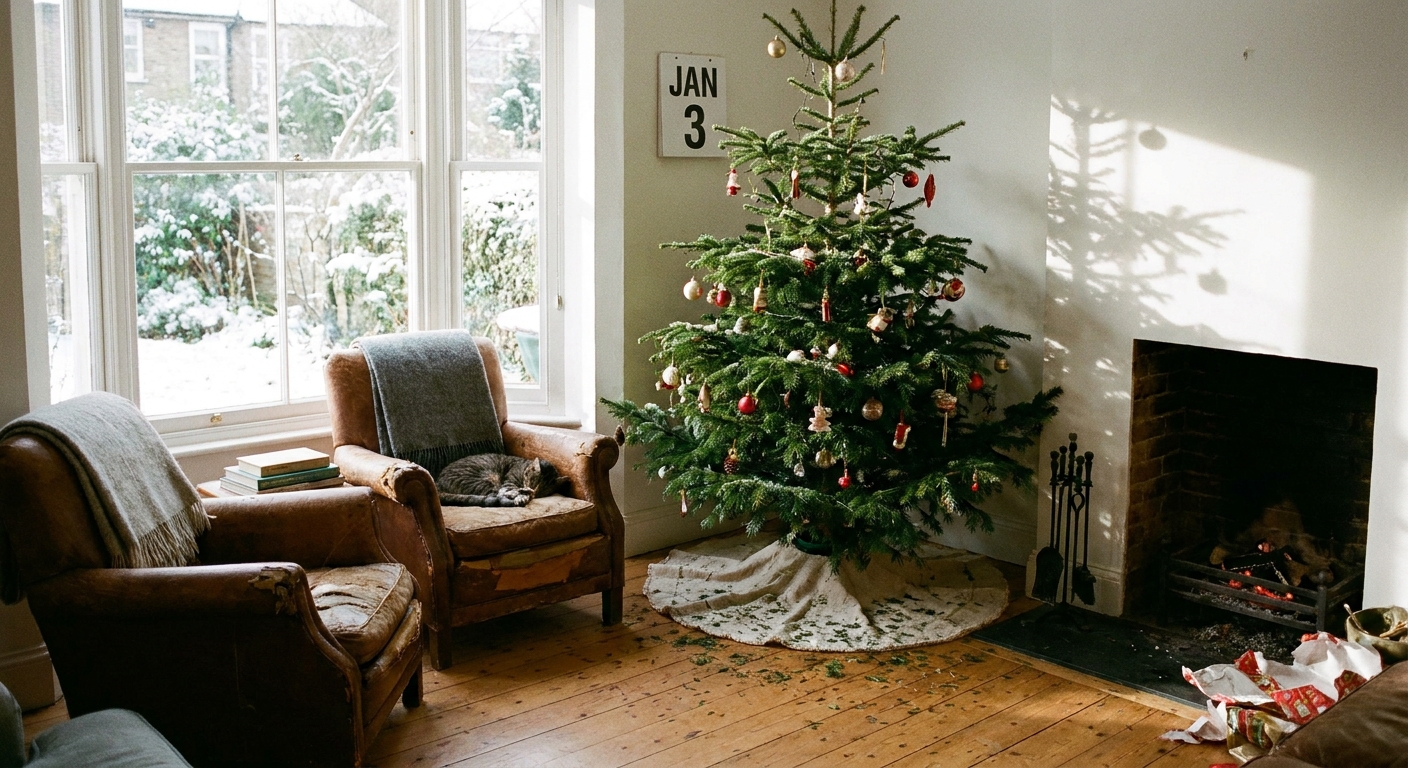
If you’re the kind of person who needs the full arc of the season, you’re not alone. Here are a few common “finish line” dates people use, depending on tradition and energy:
- After New Year’s weekend: a practical reset that still lets you enjoy the glow through the holidays.
- Twelfth Night or Epiphany (January 5 or 6): a classic benchmark in many Christian traditions.
- When it stops feeling joyful: honestly valid. If it starts to feel like clutter instead of comfort, that is your cue.
FAQs
Is it okay to decorate for Christmas before Thanksgiving?
Yes. If it reduces stress, fits your schedule, or simply makes you happy, go for it. If you want to keep the peace in a mixed-opinion household, start with winter greenery and candles, then add overt Christmas items after Thanksgiving.
Is the weekend after Thanksgiving the most popular time to decorate?
It’s one of the most common start times in the U.S. because it lines up with time off and a natural shift from fall hosting to winter festivities.
When does Advent start?
Advent begins on the first Sunday of Advent, which can fall anywhere from November 27 to December 3, depending on the year.
Do I have to put everything up at once?
Not at all. If you decorate in layers, start with lights and greenery, then add ornaments, tabletop pieces, and special keepsakes later. It’s calmer and it stretches the joy.